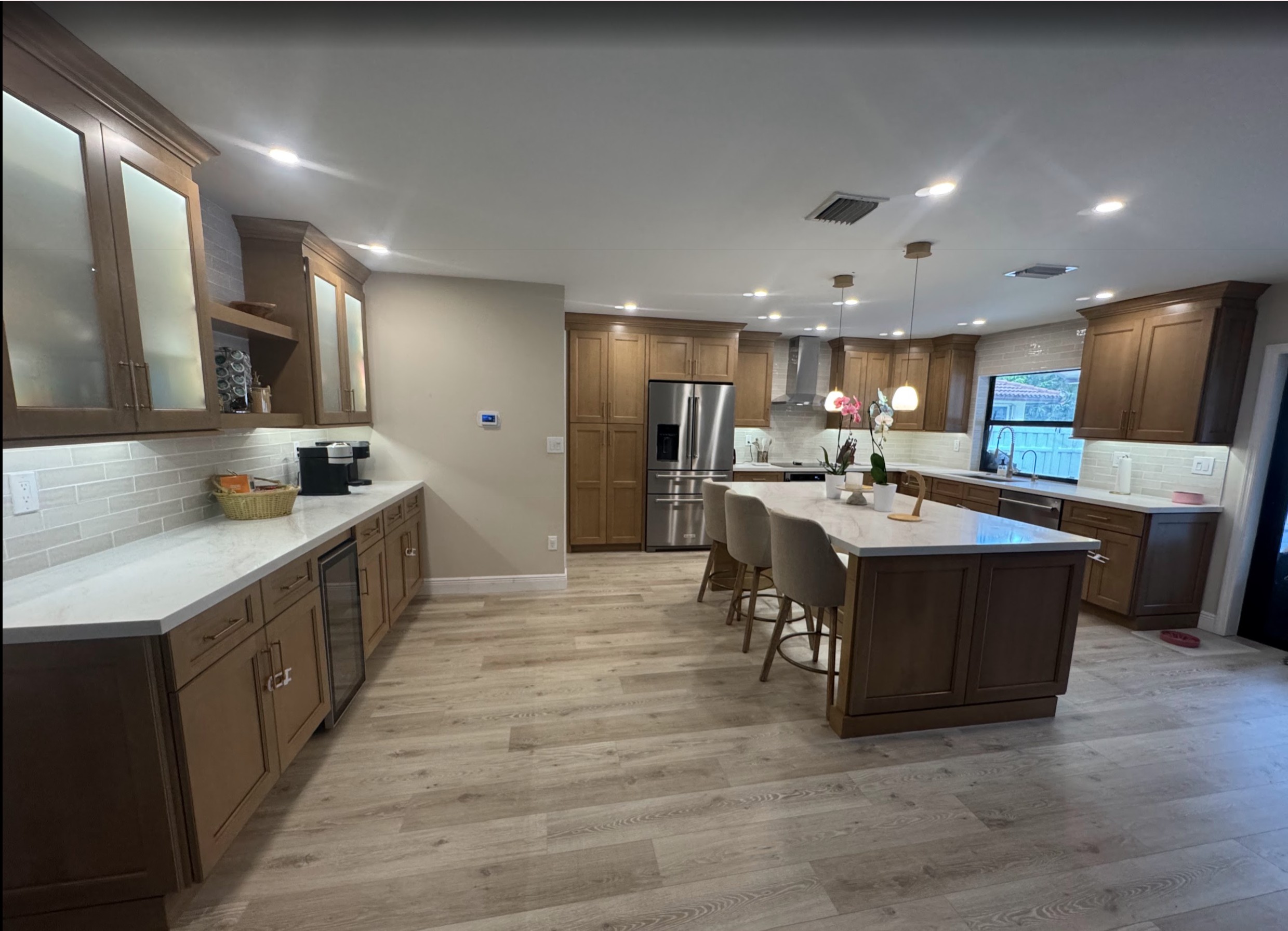
Custom Kitchen Remodeling Ideas for a More Personalized and Practical Space
A kitchen can look beautiful in a showroom but feel completely different when you start using it every day. The most successful designs combine visual appeal with features that suit your cooking habits, storage needs, and personal preferences.
Custom kitchen remodeling allows you to consider these details before making major design decisions. From personalized cabinetry and convenient storage to coordinated countertops and distinctive finishes, the right choices can help transform your kitchen into a space that feels uniquely yours.
If you are planning a kitchen update, these ideas can help you identify improvements that make a meaningful difference.
Choose Cabinet Styles That Reflect Your Taste
Cabinetry is one of the most noticeable features in any kitchen, making it an excellent starting point for a personalized design.
If you prefer a classic appearance, Shaker-style cabinets offer clean lines and a versatile design. For a more contemporary kitchen, streamlined cabinet fronts and simple hardware can create a modern look. Natural wood finishes can introduce warmth, while painted cabinets offer flexibility in color selection.
Consider the overall character of your home before choosing a cabinet style. Your kitchen does not need to match every room exactly, but coordinating materials and colors can create a more harmonious interior.
It is also worth thinking about longevity. Choose a style you genuinely enjoy rather than making every decision around a short-lived trend.
Create Storage Around the Way You Cook
Personalized storage can make a kitchen more convenient without requiring a larger room.
Start by identifying the items you use most frequently. Cooking utensils, pots, pans, dishes, and pantry supplies may each benefit from a dedicated storage area.
For example, deep drawers can provide convenient access to cookware, while organized pantry cabinets can help keep ingredients visible. Drawer dividers may be useful for utensils, and pull-out storage can improve access to items stored farther inside cabinets.
Consider your specific challenges before choosing accessories. If your countertops are constantly cluttered, create designated storage for small appliances. If you struggle to find cooking ingredients, focus on pantry organization.
Custom kitchen cabinetry can be designed around the dimensions and storage priorities of your space, helping you make better use of the available room.
Make Your Kitchen Island More Useful
A kitchen island can serve several purposes, including meal preparation, additional storage, casual dining, and socializing.
The most effective island design depends on how you intend to use it. If you frequently prepare meals, prioritize a practical work surface. If storage is more important, consider incorporating cabinets and drawers.
Seating may be useful for family breakfasts or informal gatherings, provided there is enough room for comfortable movement around the island.
You should also consider how the island relates to nearby appliances and cabinets. Doors and drawers need adequate clearance, and the island should not obstruct important pathways.
If your kitchen is relatively small, a permanent island may not be the most practical option. The available dimensions should guide the decision rather than the desire to include a particular feature.
Coordinate Countertops With Cabinetry
Countertops and cabinets should be selected as complementary elements rather than independent purchases.
A light countertop can create contrast against darker cabinetry, while natural wood cabinets may pair well with carefully selected neutral surfaces. Alternatively, coordinating colors and subtle patterns can produce a more understated design.
Appearance is only one consideration. Think about how frequently you cook, how much maintenance you are comfortable with, and whether the surface suits your everyday requirements.
Before making a final selection, review countertop samples alongside cabinet finishes and hardware. Lighting can affect how colors appear, so evaluate samples in conditions similar to those in your kitchen.
A coordinated palette helps your design feel complete and makes it easier to choose complementary backsplashes, fixtures, and decorative details.
Add Personal Details Without Creating Clutter
Personalization does not require filling every available surface with decorative features. Often, a few thoughtful choices have a stronger effect.
You might select distinctive cabinet hardware, introduce a natural wood finish, or use a complementary backsplash to create visual interest. Carefully chosen lighting can also highlight important areas and improve visibility during meal preparation.
Consider which elements deserve attention and which should remain simple. If your cabinets already have a strong visual character, understated countertops and hardware may create better balance.
The same principle applies to open shelving and decorative displays. These features can add personality, but they should not replace essential storage or create additional maintenance if you prefer an uncluttered kitchen.
The best personalized design reflects your preferences while keeping the space practical.
Improve Lighting and Everyday Functionality
Lighting can influence both the appearance and usability of your kitchen.
General lighting illuminates the room, while task lighting can improve visibility over countertops and preparation areas. Under-cabinet lighting may be particularly useful where overhead lighting leaves shadows.
When planning lighting, consider how it works with your cabinetry and countertop materials. Reflective finishes may distribute light differently from darker or textured surfaces.
You should also think about electrical requirements early in the remodeling process, especially if you plan to change appliance locations or add new lighting features.
Coordinating lighting, cabinetry, and work areas can help your kitchen feel more comfortable without relying solely on decorative upgrades.
Prepare a Personalization Checklist Before Remodeling
Before meeting with a kitchen designer, take time to identify what you want your remodeled space to accomplish.
Consider the following questions:
Which parts of your existing kitchen cause the most frustration?
Do you need additional cabinets, drawers, or pantry storage?
Which cabinet styles, colors, and finishes appeal to you?
Would a kitchen island improve your preparation or dining space?
Which countertop characteristics matter most to you?
What budget and maintenance requirements should guide your choices?
You can also collect inspiration images and take approximate measurements of your current kitchen. These details help communicate your preferences and provide a useful starting point for discussing potential solutions.
Not every idea will be suitable for every kitchen. A thoughtful consultation can help you evaluate which features are practical for your space and project requirements.
Explore Your Kitchen Design Options With Kitchen D.S.M.
Bringing personalized kitchen ideas together requires careful consideration of cabinetry, countertops, finishes, and the way each feature supports your routine.
Kitchen D.S.M. provides kitchen-related products and design solutions for homeowners exploring their next project. Visit the Kitchen D.S.M. website to explore its offerings and review kitchen cabinetry options.
Ready to discuss your ideas? You can schedule a consultation with Kitchen D.S.M. to begin exploring options for your kitchen.
Final Thoughts
A personalized kitchen should reflect your style while making everyday tasks easier. By choosing suitable cabinetry, improving storage, coordinating countertops, and considering practical details such as lighting and movement, you can create a space that feels both attractive and functional.
Start with the improvements that matter most to you, then build a coordinated design around those priorities. With thoughtful planning and the right product selections, your kitchen can become a more comfortable and organized part of your home.
Annette k.
