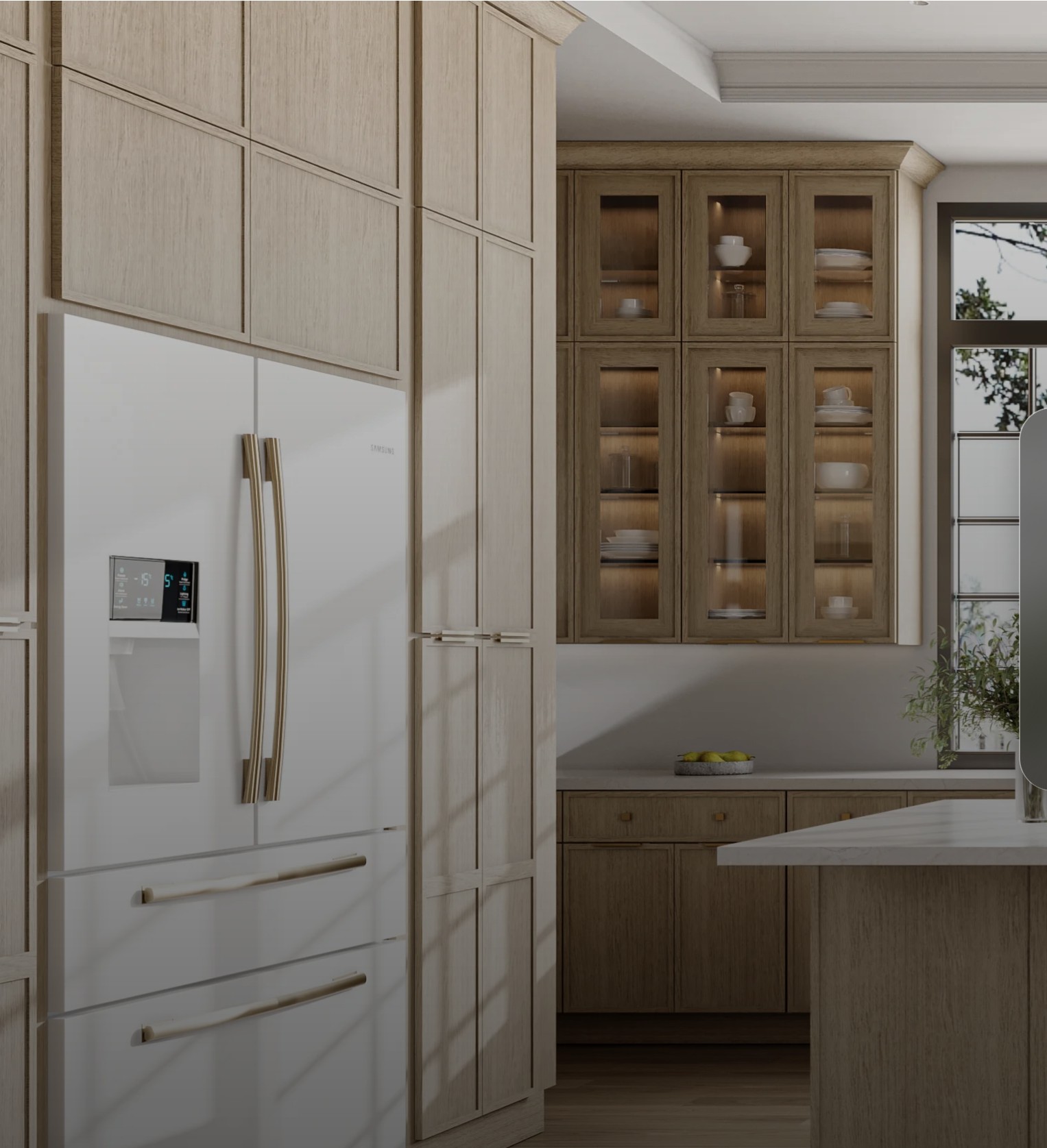
Custom Kitchen Remodeling: How to Design a Kitchen Around Your Lifestyle
Your kitchen should fit the way you live, not force you to adapt to a layout that no longer works. Whether you need more storage, a better cooking area, or a fresh design for entertaining guests, custom kitchen remodeling gives you the opportunity to create a space that reflects your needs, preferences, and daily routines.
From selecting cabinetry to coordinating countertops and finishes, every decision can contribute to a kitchen that feels more functional and personal. The key is to understand your priorities before choosing products or finalizing the design.
Start With Your Everyday Kitchen Needs
Before exploring colors, cabinets, and countertop materials, think about how you use your kitchen.
Do you prepare meals every day? Do you need additional room for groceries and cookware? Is your kitchen a place where family members gather, or do you regularly entertain guests?
Your answers can help determine which features deserve the most attention.
For example, someone who cooks frequently may benefit from accessible drawers, organized pantry storage, and generous countertop workspace. A household that enjoys entertaining may prioritize a kitchen island, comfortable circulation, and a layout that makes it easy to interact with guests.
Write down your essential requirements and separate them from features that would simply be nice to have. This makes it easier to prioritize your remodeling decisions.
Choose a Layout That Makes Better Use of Space
A practical layout is one of the most important parts of custom kitchen remodeling. Even attractive cabinetry and premium finishes cannot compensate for a kitchen that feels difficult to navigate.
Consider how your refrigerator, sink, cooking area, and preparation surfaces work together. Frequently used items should be easy to reach, and there should be enough space to move comfortably between different work areas.
Depending on your room dimensions, an L-shaped, U-shaped, or galley layout may be suitable. A kitchen island can provide additional preparation space and storage when the room has enough clearance.
Before committing to a layout, consider appliance locations, door openings, walkways, and existing plumbing or electrical connections. These practical details can influence which design options are realistic for your home.
Personalize Your Kitchen With Custom Cabinetry
Cabinetry has a significant influence on the appearance and functionality of a kitchen. Custom kitchen cabinetry can be planned around specific dimensions, storage requirements, and design preferences.
Start by considering the cabinet style that best matches your vision. Shaker cabinetry offers a versatile appearance, while modern cabinet fronts can create a cleaner, more streamlined look. Natural wood finishes and painted cabinetry provide additional ways to personalize the space.
Storage configuration is equally important. Deep drawers can make cookware easier to access, while pantry cabinets and carefully planned shelves can help organize ingredients and kitchen supplies.
When choosing cabinets, evaluate:
Cabinet dimensions and available wall space.
Door styles, colors, and finishes.
Drawer layouts and storage accessories.
Hardware and decorative details.
Cleaning requirements and everyday durability.
The goal is to select cabinetry that looks appropriate for your home while making your kitchen easier to use.
Coordinate Countertops, Hardware, and Finishes
A well-designed kitchen feels cohesive because its materials work together.
Begin with your cabinetry and consider how the countertop, backsplash, hardware, and other finishes will complement it. Light cabinets paired with contrasting surfaces can create visual interest, while natural wood and neutral finishes can produce a warm, balanced appearance.
Your choices should also reflect your maintenance preferences. Some countertop and cabinet finishes require more care than others, so consider how the materials will perform under everyday use.
It is helpful to compare samples together before making final decisions. A cabinet color that looks attractive on its own may appear different beside your selected countertop or under your kitchen's lighting.
By evaluating materials as a complete combination, you can create a design that feels intentional rather than assembled from unrelated choices.
Make Storage Work for Your Routine
A kitchen can have plenty of cabinets and still feel disorganized if the storage has not been planned carefully.
Think about where you prepare food, store cookware, keep cleaning supplies, and organize pantry items. Placing related items together can make everyday tasks more convenient.
Consider pull-out storage for items that are difficult to reach, drawer organizers for utensils, and dedicated spaces for small appliances. If you regularly purchase groceries in bulk, you may want to prioritize accessible pantry storage.
It is also worth considering what should remain on your countertops. Keeping frequently used essentials within reach is helpful, but storing less frequently used items can free up valuable workspace.
Custom kitchen remodeling offers an opportunity to address these specific challenges instead of simply adding more cabinets without a clear organizational plan.
Plan Your Budget and Project Requirements
A successful remodeling project needs a realistic budget and a clear understanding of its scope.
Cabinetry, countertops, appliances, installation, flooring, lighting, and any necessary plumbing or electrical work can all affect the total investment. The cost will depend on your existing kitchen, material selections, project size, and labor requirements.
Before ordering products, request detailed estimates and clarify which services are included. Confirm measurements, product specifications, delivery arrangements, and installation responsibilities.
It is also sensible to allow room in your budget for unexpected repairs or changes that may arise during renovation.
Prioritize the improvements that will make the greatest difference to your daily experience. This helps you avoid spending on decorative extras before addressing essential layout or storage problems.
Bring Your Kitchen Vision to Life With Kitchen D.S.M.
Planning a personalized kitchen involves coordinating many decisions, from cabinetry and countertops to finishes and functional details. Reviewing these choices together can help you develop a more consistent design.
Kitchen D.S.M. offers kitchen-related products and design solutions for homeowners exploring their remodeling options. Visit the Kitchen D.S.M. website to learn more about its offerings, explore kitchen cabinetry options, or schedule a consultation to discuss your project.
Before your consultation, prepare measurements, inspiration photos, and a list of your most important kitchen requirements. This can help you communicate your goals and evaluate suitable options more effectively.
Final Thoughts
Custom kitchen remodeling is an opportunity to create a space that reflects your lifestyle while improving storage, organization, and everyday functionality. By starting with your needs, selecting appropriate cabinetry, coordinating finishes, and planning your budget carefully, you can make more confident decisions throughout the process.
Focus on features that solve real problems and complement your home. When you are ready to explore kitchen design and cabinetry options, Kitchen D.S.M. can be a useful starting point for planning your next project
Annette k.
