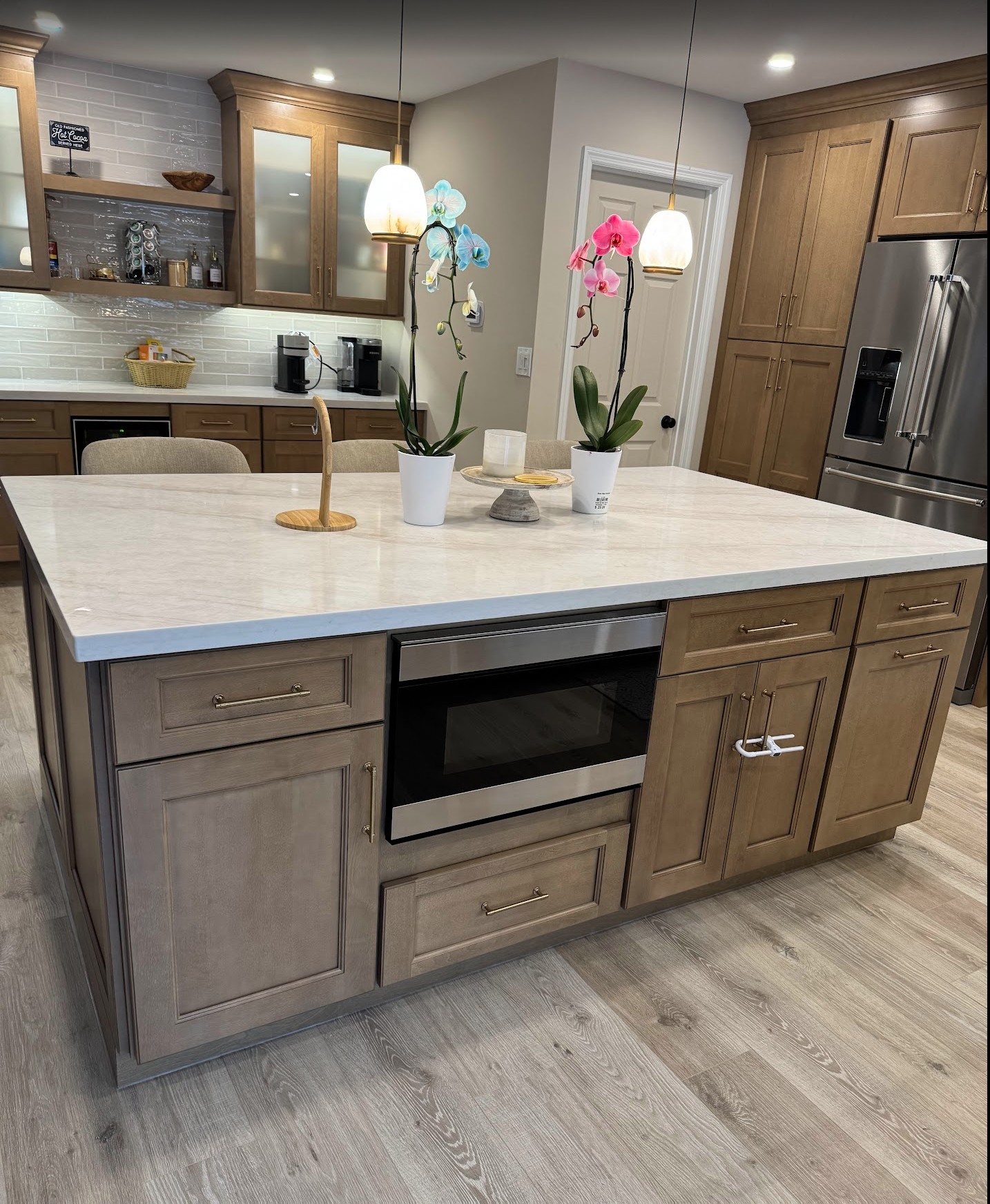
Smart Kitchen Design Ideas for Better Storage and Easier Everyday Cooking
A well-organized kitchen can make everyday cooking more convenient, reduce clutter, and help you get more value from your available space. However, achieving this does not always require a larger kitchen. Smart kitchen design focuses on using the existing layout effectively, selecting practical cabinetry, and creating storage solutions that suit your daily routine.
From accessible drawers to thoughtfully arranged pantry cabinets, small design decisions can make a noticeable difference in how your kitchen functions. Whether you are planning a complete kitchen remodel or updating your existing cabinetry, the goal is to create a space where everything has a purpose and essential items are easy to reach.
Organize Your Kitchen Around Everyday Activities
One of the most effective ways to improve kitchen organization is to arrange storage around the activities you perform most frequently.
Think about where you prepare ingredients, cook meals, clean dishes, and store groceries. Keeping related items close to the areas where you use them can reduce unnecessary movement and make cooking feel more efficient.
For example, cooking utensils and frequently used pans should be easy to access near the cooking area. Dishes can be stored in a convenient location for serving, while cleaning supplies should have a designated storage area away from food preparation surfaces.
Before changing your cabinets, take an inventory of the items you own. Identify what you use daily, what you need occasionally, and what occupies valuable space without serving a practical purpose.
This approach helps you plan storage around your actual needs rather than simply adding more cabinets.
Choose Cabinet Drawers That Improve Accessibility
Traditional shelves can provide useful storage, but items placed toward the back of deep cabinets may be difficult to reach. Well-planned drawers and pull-out features can help make better use of available space.
Deep drawers are particularly useful for pots, pans, and other cookware. Drawer dividers can separate utensils and cooking accessories, while pull-out organizers can improve access to items stored inside cabinets.
When selecting kitchen cabinetry, consider the weight and size of the items you intend to store. Frequently used cookware may require sturdy drawers, while smaller accessories benefit from compartments that prevent clutter.
You should also evaluate how cabinet doors and drawers interact with nearby appliances and walkways. A storage solution is only useful when it can be accessed comfortably.
The right combination of drawers, shelves, and cabinet configurations can help create a kitchen that feels more organized without changing its overall footprint.
Make Better Use of Pantry Storage
A well-organized pantry can simplify meal preparation and make grocery shopping easier.
Start by grouping similar items together. Keep baking ingredients, canned goods, snacks, spices, and frequently used cooking supplies in designated areas. Clear containers or labeled storage can also help you identify ingredients more quickly when appropriate.
The type of pantry storage you choose should reflect the available space. Tall pantry cabinets may work well in kitchens with limited floor area, while pull-out pantry systems can provide convenient access to stored products.
Before planning a pantry, consider how much food you typically store and whether you need space for small appliances or bulk purchases.
Avoid filling every available shelf without a plan. Leaving practical space for frequently purchased items makes it easier to maintain an organized system over time.
Reduce Countertop Clutter With Purposeful Storage
Countertops often become crowded with small appliances, cooking utensils, food containers, and everyday essentials. This can reduce the workspace available for meal preparation and make the kitchen appear less organized.
Begin by deciding which items genuinely need to remain on the counter. Frequently used appliances may deserve a permanent location, while less frequently used equipment can be stored inside cabinets or a pantry.
Consider adding dedicated storage for items that tend to accumulate around the sink or cooking area. Cabinet organizers and well-planned drawers can help keep these essentials accessible without occupying valuable countertop space.
You should also think about where appliances will be positioned before finalizing your cabinet layout. This helps ensure that electrical outlets, storage, and available work surfaces support your routine.
A clutter-free kitchen does not mean removing everything from view. It means creating a practical balance between accessibility and organization.
Plan Kitchen Cabinets Around Available Space
Every kitchen has different dimensions, obstacles, and storage requirements. A layout that works well in a spacious kitchen may not be appropriate for a smaller room.
Begin by evaluating wall dimensions, ceiling height, windows, doorways, and appliance positions. These details influence the cabinet sizes and configurations that can be accommodated.
In a smaller kitchen, vertical storage and carefully selected cabinet accessories may help maximize usable space. In a larger kitchen, a combination of pantry cabinets, drawers, and an island may provide additional organizational opportunities.
Custom kitchen cabinetry may be worth considering when standard cabinet dimensions do not address your requirements. A design professional can help assess the space and determine which configurations are practical.
The objective is not to fill every wall with cabinets. It is to create accessible storage while preserving comfortable movement and sufficient countertop space.
Combine Storage With an Attractive Kitchen Design
Practical storage and attractive design can work together. Your cabinet finishes, hardware, countertops, and organizational features should complement one another.
For a streamlined appearance, you might prefer simple cabinet fronts and coordinated hardware. Natural wood finishes can introduce warmth, while lighter cabinet colors may help create a bright visual effect.
The best choice depends on the style of your home and your maintenance preferences. Consider how frequently you cook, how much cleaning you are comfortable with, and which finishes suit your daily use.
It is also helpful to review cabinet and countertop samples together before finalizing selections. This allows you to evaluate the overall combination instead of choosing each element independently.
Smart kitchen design should make your space easier to use while maintaining the appearance you want.
Avoid Common Kitchen Storage Mistakes
Even a newly remodeled kitchen can become difficult to use when storage decisions are not carefully planned.
One common mistake is choosing cabinets based only on appearance without considering what they need to hold. Another is adding organizational accessories without identifying a specific problem they should solve.
Poorly positioned drawers, inaccessible corner cabinets, and insufficient countertop space can also reduce functionality.
Before making your selections, ask yourself:
Can I reach frequently used cookware and ingredients easily?
Is there a dedicated place for small appliances?
Will cabinet doors and drawers open comfortably?
Does the kitchen have enough space for food preparation?
Can the storage system be maintained without unnecessary effort?
Answering these questions can help you identify potential problems before products are ordered and installed.
Explore Kitchen Storage and Cabinetry Options With Kitchen D.S.M.
Improving kitchen organization begins with understanding your space and selecting products that support your everyday routine.
Kitchen D.S.M. offers kitchen-related products and design solutions for homeowners exploring their kitchen projects. Visit the Kitchen D.S.M. website to learn more about its offerings and explore kitchen cabinetry options.
If you are considering a kitchen update, you can also schedule a consultation to discuss your project and design preferences.
Before your consultation, identify your biggest storage challenges and prepare a few photos of your current kitchen. This can help you communicate your priorities and explore suitable cabinetry options.
Final Thoughts
Smart kitchen design is about making your space work better for your everyday needs. By organizing cabinets around cooking activities, improving pantry storage, reducing countertop clutter, and selecting suitable cabinet configurations, you can create a kitchen that feels more functional and easier to maintain.
Start by identifying the storage problems that affect you most, then build your design around practical solutions. With careful planning and suitable product choices, even small changes can make your kitchen more organized and enjoyable to use.
Annette k.
